
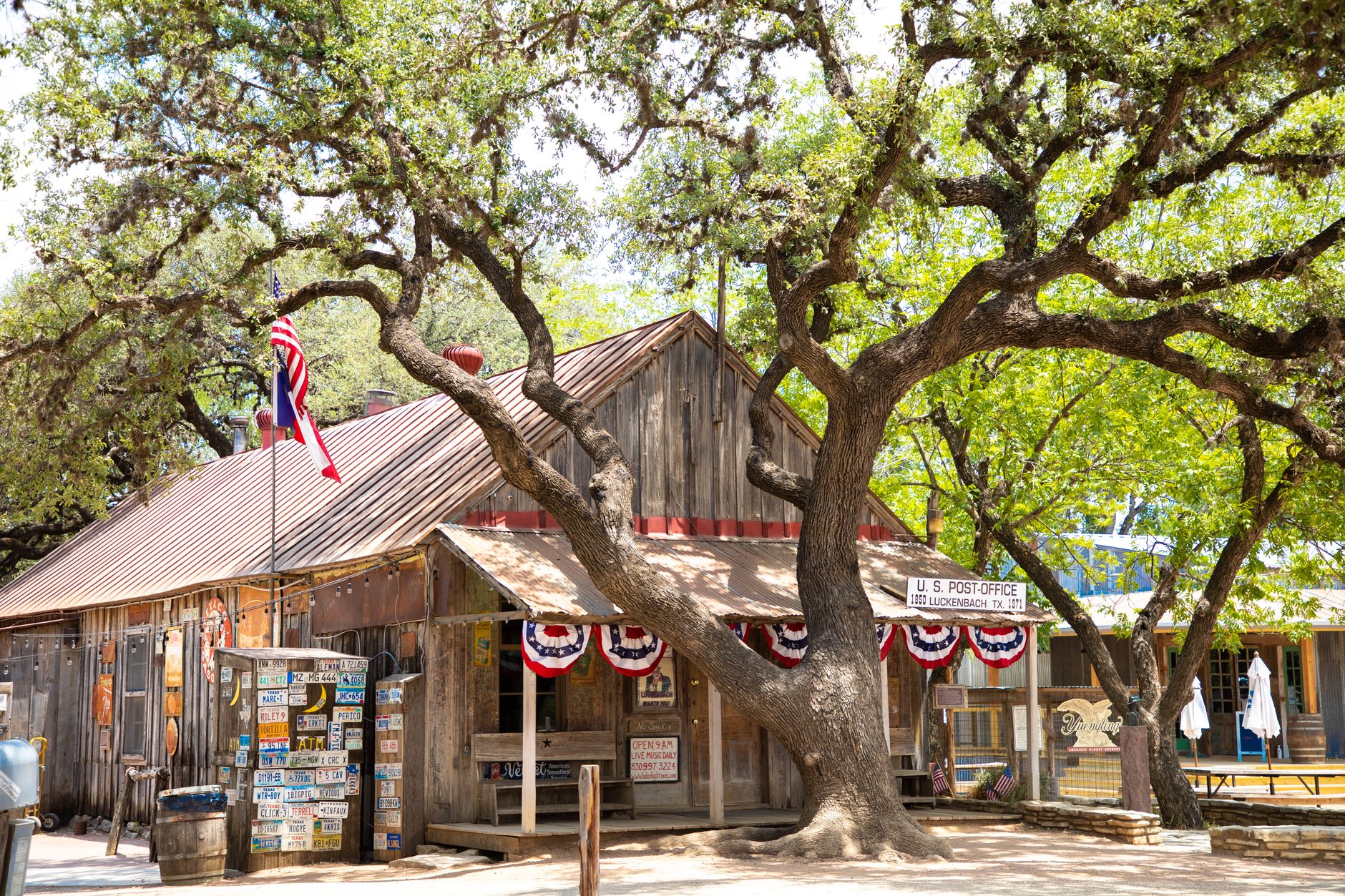
If you’ve spent any time exploring central Austin, you already know that Hyde Park Austin homes carry a certain magic that’s hard to put into words. Tree-canopied streets, front porches built for actual sitting, craftsman bungalows with original hardwood floors still intact—this neighborhood has been charming buyers and frustrating renovators in equal measure for decades. After more than 25 years working Austin real estate, I can tell you: Hyde Park rewards the patient and the prepared, and it has very little patience for those who underestimate it.
What Makes Hyde Park Different from the Rest of Austin
Hyde Park holds the distinction of being one of Austin’s first planned suburbs, developed in the 1890s. That heritage isn’t just a talking point—it shapes everything from the lot sizes and street grid to the architecture and the community culture. The neighborhood sits roughly between 38th and 45th Streets, bordered by Guadalupe to the west and Avenue B to the east, placing it squarely in the heart of central Austin.
The housing stock is genuinely diverse for a historic area: you’ll find Victorian-era cottages, classic craftsman bungalows, Tudor revivals, and mid-century infill all sharing the same blocks. That variety is part of the appeal, but it also means buyers need to do their homework on the specific property—not just the zip code.
For a broader look at what central Austin has to offer beyond Hyde Park, our Austin community guide is a great starting point.
Historic Zoning: A Feature and a Constraint
Hyde Park is designated as a National Register Historic District, and portions of it carry local historic zoning through the City of Austin. If you’re buying a contributing structure—meaning a home that adds to the historic character of the district—you need to understand what that means before you close.
The Austin Historic Landmark Commission has oversight over exterior changes to locally designated properties. Replacement windows, roofing materials, porch modifications, additions visible from the street—all of these can require a Certificate of Appropriateness before permits are issued. The process isn’t impossible, but it adds time, cost, and documentation requirements that a standard remodel wouldn’t carry.
There’s a flip side, though. Properties with local historic designation may qualify for a city property tax exemption on a portion of the appraised value, which can be meaningful in a high-tax environment like Travis County. The exemption is tied to the local landmark designation specifically—not simply to being in the historic district—so it’s worth verifying the status of any specific property with your agent and a tax professional.
Non-contributing structures in the same neighborhood have more flexibility, but they still need to be mindful of neighborhood compatibility standards that the city applies to new construction and substantial renovations in established areas.
The Realities of Renovating a Hyde Park Bungalow
Let’s be honest about something: renovating an older home in Hyde Park is rarely a straightforward HGTV weekend project. These houses have stories, and sometimes those stories involve knob-and-tube wiring, pier-and-beam foundations that have settled over a century, cast-iron plumbing, and asbestos-containing materials in flooring or insulation.
None of that is a dealbreaker—I’ve seen buyers transform century-old bungalows into genuinely beautiful, functional homes. But the renovation budget needs to account for discovery. Every contractor who regularly works on older central Austin homes will tell you the same thing: plan for surprises, because they’re not really surprises at that age.
Hiring contractors who have specific experience with historic and older properties is non-negotiable if you’re pursuing a locally designated property. The work has to meet both city building code and the historic commission’s standards, and not every general contractor knows how to navigate that dual approval process efficiently.
Pier-and-beam foundations, common in Hyde Park’s older homes, are actually considered advantageous by some owners because they allow access to plumbing and can often be releveled without the disruption that slab work requires. But they do need attention—foundation inspections by a qualified engineer should be part of any due diligence here, not an afterthought.
What Buyers Should Look For (and Look Out For)
When you’re walking through Hyde Park Austin homes, pay attention to the details that signal how a property has been maintained over the decades. Freshly painted exteriors can hide deferred maintenance underneath. Conversely, a home that looks cosmetically rough on the surface sometimes has excellent bones and honest, documented maintenance history.
Key due diligence items for Hyde Park specifically:
- Confirm the property’s historic designation status (local landmark vs. National Register only vs. neither)
- Review any prior Certificate of Appropriateness applications or denials on file with the city
- Order a thorough inspection that specifically addresses older construction—not all inspectors have equal experience with pre-1950s homes
- Get a sewer scope—tree root intrusion in older clay and cast-iron lines is common in mature neighborhoods
- If you plan significant changes, consult with an architect or contractor familiar with Austin’s historic review process before you’re under contract, not after
If you’re weighing Hyde Park against newer construction in the suburbs, our guides to communities like Steiner Ranch and Round Rock offer a useful contrast—newer homes, different trade-offs.
Is Hyde Park the Right Fit for You?
Hyde Park Austin homes tend to attract buyers who genuinely want to be in a walkable, established urban neighborhood—close to the University of Texas, Guadalupe’s shops and restaurants, and the fabric of the city. The neighborhood rewards those who value character and community over cookie-cutter convenience.
It’s not the right fit for everyone. If you want a low-maintenance home with a builder warranty, predictable HOA maintenance, and newer infrastructure, there are excellent options across the Austin metro that might serve you better. Knowing the difference is half the battle.
Frequently Asked Questions About Hyde Park Austin Homes
Do all Hyde Park homes fall under historic review?
No. While Hyde Park is listed on the National Register of Historic Places as a district, that designation primarily affects properties seeking federal tax credits or federal permits. Local historic landmark designation—which triggers Austin’s Certificate of Appropriateness process—is property-specific. Many homes in the neighborhood are not locally designated and follow standard city permitting. Always verify the specific status of a property you’re considering.
How long does the Certificate of Appropriateness process take in Austin?
It varies significantly depending on the scope of work and whether the project can be approved administratively or requires a full Historic Landmark Commission hearing. Simpler, clearly compatible projects can move faster; more complex proposals or those that don’t align with historic preservation standards take longer. Building in extra timeline buffer for any renovation project involving a locally designated Hyde Park property is simply good planning.
Are Hyde Park bungalows a good investment?
Historic central Austin neighborhoods have historically held strong appeal among buyers who prioritize location and character. That said, no one can guarantee real estate outcomes, and renovation costs in older homes can be significant. The best approach is to evaluate each property on its specific condition, designation status, and your own renovation budget—rather than assuming the neighborhood’s appeal automatically translates to a given property’s value story.
Ready to Explore Hyde Park?
Whether you’re seriously considering buying in Hyde Park or just starting to weigh your options across Austin, having an experienced local broker in your corner makes a real difference. At Advantage Austin Properties, broker Daryl Fojtik has spent decades helping buyers understand exactly what they’re getting into—before they get into it.
Start with a free market analysis to get a grounded, honest picture of where the market stands and what your options look like. No pressure, no spin—just solid local expertise put to work for you.