
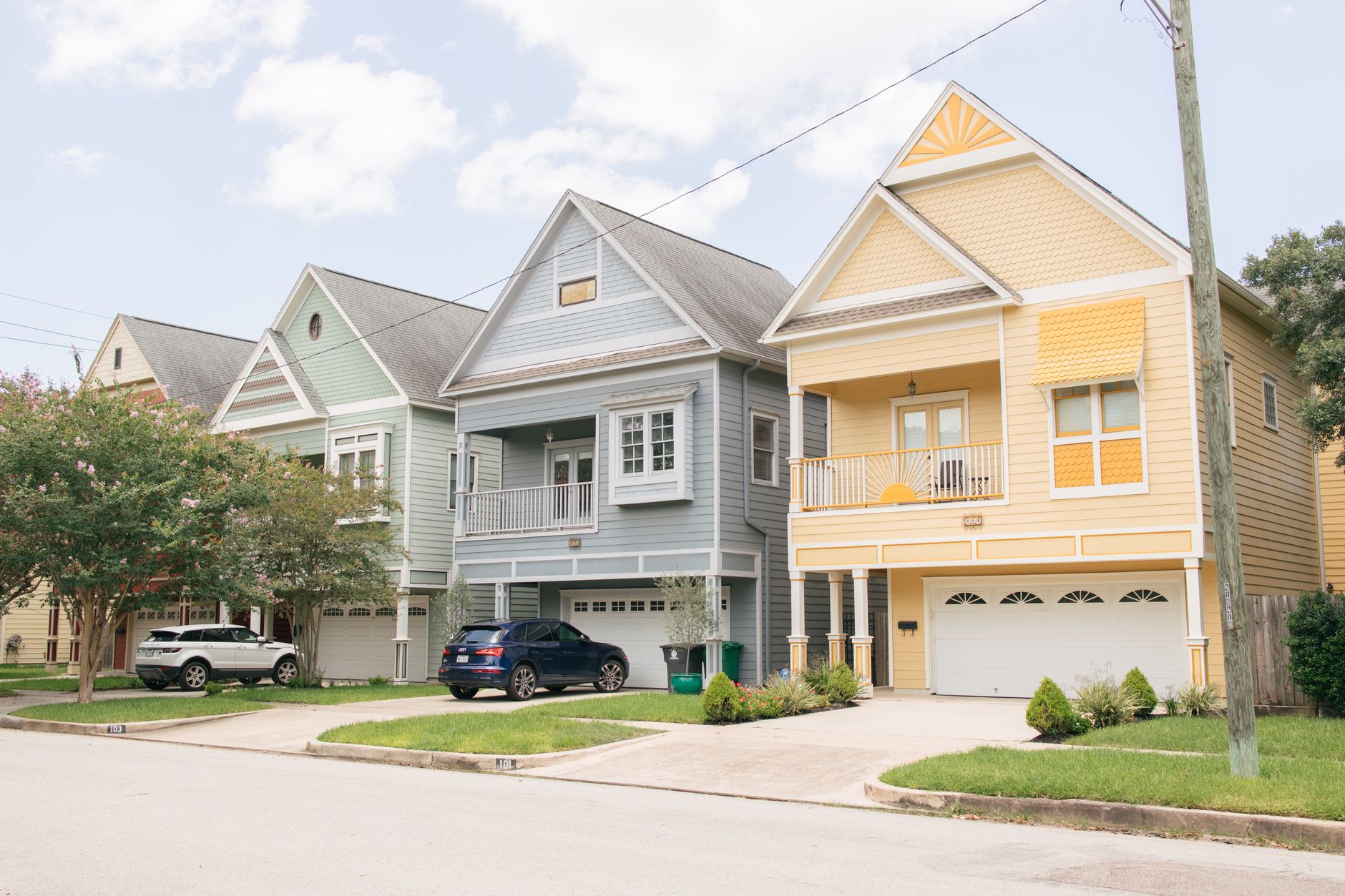
If you’ve been house-hunting south of Austin, you’ve almost certainly found yourself weighing the same question thousands of buyers ask every year: Buda vs Kyle TX — which one is the right fit? Having worked the Austin metro market for over 25 years, I’ve watched both of these communities transform from quiet farm towns into thriving suburbs with distinct personalities. They sit just a few miles apart on IH-35, they share a zip code border, and yet the experience of living in each one can feel surprisingly different. Let me break it down for you.
Location and Getting Around
Both Buda and Kyle sit in Hays County along the IH-35 corridor, making them logical choices for anyone commuting to South Austin, Downtown, or the growing employment hubs along the South MoPac extension. Buda is the closer of the two — typically just 15 to 20 miles from Downtown Austin depending on your neighborhood — while Kyle stretches a bit farther south and east, putting some subdivisions in the 25-to-30-mile range from the city core.
That proximity gap might sound minor on paper, but during peak rush-hour traffic on IH-35 it can translate into a meaningful difference in daily drive time. Kyle does benefit from access to RM 150 and other alternate routes into the hill country, which some residents prefer for weekend recreation. Buda offers quick access to FM 967 and Manchaca Road for those looking to avoid the interstate altogether.
Community Character and Lifestyle
Buda has a knack for holding onto its small-town charm. The historic downtown district along Main Street still draws locals and visitors alike for events like the Wiener Dog Races — a quirky annual tradition that tells you a lot about the town’s spirit. Buda tends to feel a touch more intimate, with a tight-knit community that takes pride in its independent restaurants, locally owned shops, and neighborly culture.
Kyle, on the other hand, has grown at a faster pace and has embraced that growth more overtly. It’s one of the fastest-growing cities in the state (and has held that distinction for several years running), and you can feel it in the energy there. Kyle’s commercial corridors have expanded significantly, offering residents a broader range of big-box retail, dining chains, and entertainment options without driving into Austin. If convenience and newer infrastructure are priorities for you, Kyle delivers on both.
Housing and Neighborhoods
When comparing Buda vs Kyle TX real estate, both markets offer a wide spectrum of housing — from starter-friendly townhomes to larger single-family homes on generous lots. Because Kyle has grown more rapidly, it hosts a larger inventory of newer master-planned communities with resort-style amenities: pools, trails, fitness centers, and community events calendars that keep residents engaged year-round.
Buda also has its share of well-planned subdivisions, but you’ll more often find a mix of established neighborhoods with mature trees alongside newer developments. Lot sizes in Buda can sometimes skew a bit larger in older subdivisions, which appeals to buyers who want a little breathing room between homes. Both cities have seen strong buyer demand over the past several years, so don’t expect to find bargain pricing — but compared to inside Austin’s city limits, both markets typically offer better value per square foot.
If you’re still exploring all your options, our home search tool lets you filter listings across the entire Austin metro so you can compare neighborhoods side by side at your own pace.
Schools
Buda is served primarily by Hays Consolidated Independent School District (Hays CISD), as is Kyle. Because they share a school district, this factor alone won’t differentiate the two cities — but it’s worth noting that specific school assignments do vary by neighborhood within each city. If a particular campus is important to your family, always verify attendance zone boundaries directly with Hays CISD before making an offer, as zone lines can shift with growth.
Parks, Nature, and Recreation
Both cities have invested in parks and green space as their populations have grown. Buda’s Garlic Creek Park and the Buda City Park offer trails, sports fields, and open space popular with families. Kyle is home to the beloved Plum Creek Trail system and has continued expanding its parks infrastructure to keep pace with its booming population.
Outdoor enthusiasts in either city benefit from relatively quick access to the Texas Hill Country — Wimberley, Canyon Lake, and the Guadalupe River are all within a reasonable drive. This is part of what makes the southern suburbs so appealing compared to, say, northern corridors like Pflugerville or Round Rock, where the landscape is flatter and the hill country is farther away.
Things to Consider Before You Decide
Beyond the lifestyle and location factors, here are a few practical questions worth asking yourself as you compare Buda vs Kyle TX:
- Where do you work? Map your commute from specific neighborhoods in both cities before falling in love with a home. A few miles can matter enormously on IH-35.
- What phase of life are you in? Young families often gravitate toward communities with strong HOA amenities and nearby schools. Empty nesters or remote workers may prioritize a quieter setting or lot size.
- New construction or established home? Kyle’s rapid growth means more new-build options; Buda offers a better mix if you prefer an established neighborhood with character.
- Future growth trajectory: Kyle’s pace of development means the city will continue to change — that’s exciting for some buyers and a concern for others who prefer a more settled feel.
Frequently Asked Questions: Buda vs Kyle TX
Is Buda or Kyle closer to Downtown Austin?
Generally speaking, Buda is closer to Downtown Austin. Depending on the specific neighborhood, Buda homes can be roughly 5 to 10 miles nearer to the city core than comparable Kyle addresses. For buyers who commute to central Austin regularly, that proximity can be a meaningful factor in daily quality of life.
Which city has more amenities and shopping?
Kyle has expanded its commercial base significantly and offers more big-box retail, national restaurant chains, and entertainment options within city limits. Buda has a charming downtown with locally owned businesses but fewer large-scale retail options. Buda residents often drive to Kyle or into South Austin for major shopping needs.
Are property taxes similar in Buda and Kyle?
Both cities fall within Hays County and Hays CISD, so many of the underlying tax components are the same. However, each city’s municipal rate differs slightly, and individual subdivisions may have Municipal Utility District (MUD) taxes or HOA fees that affect your total carrying cost. Always request a full tax summary for any specific property and consult your agent or a tax professional for guidance on how exemptions — such as the homestead exemption — can reduce your taxable value once you establish primary residency.
The Bottom Line
There’s no universally correct answer in the Buda vs Kyle TX debate — the right choice depends entirely on your priorities, your commute, your lifestyle, and the type of neighborhood environment where you’ll thrive. What I can tell you after decades of helping buyers navigate this market is that both cities offer genuine value and a quality of life that keeps residents rooted for the long haul.
Ready to get serious about your search? The team at Advantage Austin Properties would love to help you evaluate your options with local expertise and zero pressure. Start with a free market analysis to understand what your budget can achieve in today’s market — whether you’re buying in Buda, Kyle, or anywhere else across the greater Austin area.